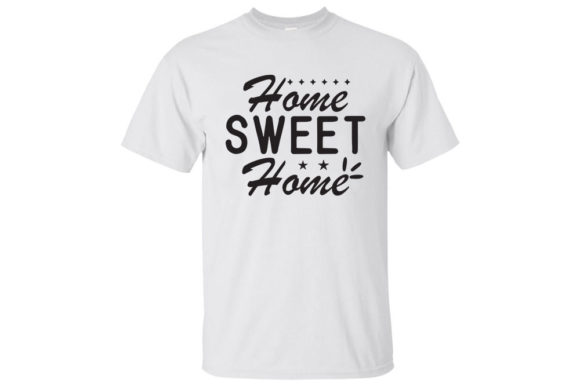
Home School SVG Design: A Stitch-Tested Review
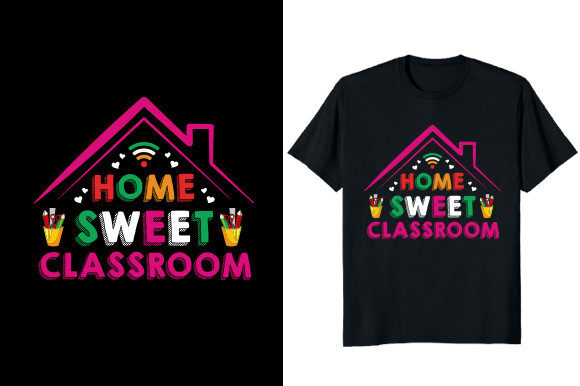
When I first opened the ZIP file for the Home School Svg Design, Home Sweet Home, I wasn't just looking for another cute graphic to add to my digital library. As a designer who regularly bridges the gap between screen and stitch, I was evaluating this asset for its actual utility in production. The package includes EPS, SVG, PNG, and DXF files, which immediately signals versatility for both vinyl cutters and those of us digitizing for needle and thread. My primary question was simple: Does this design translate from a flat vector into a tactile, durable embroidery piece that customers will actually want to buy?
The aesthetic of this machine embroidery design strikes a specific balance. It carries the warmth associated with homeschooling and domestic education without feeling overly juvenile or cluttered. For an Etsy seller or small shop owner, this visual tone is critical. It needs to appeal to parents who view homeschooling as a lifestyle choice, not just an academic one. The layout feels intentional, suggesting it was created with negative space in mind—a crucial factor when you are planning stitch placement on textured fabrics like fleece or canvas.
Real-World Application: The Custom Sweatshirt Test
To truly evaluate this graphics asset, I mentally placed it in a real-life scenario: creating a custom embroidered sweatshirt for a local homeschool co-op. This is a common request for craft business owners during back-to-school seasons or holiday gift rushes. Sweatshirt embroidery presents unique challenges because the fabric is stretchy, thick, and prone to puckering if the design is too dense.
In this context, the Home School Svg Design, Home Sweet Home serves as an excellent center chest or left-chest motif. Because the design is categorized under T-Shirt Designs, I know the original intent was apparel-friendly. However, for a sweatshirt, I would approach the digitizing process with caution regarding stitch density. If I were converting this SVG into an embroidery file, I would opt for a combination of running stitch outlines and light fill stitches rather than heavy satin stitch blocks. This preserves the drape of the garment and prevents the "bulletproof vest" effect that ruins comfortable loungewear.
For a tote bag design, which is another staple for handmade product sellers, this graphic shines differently. Canvas provides a stable foundation, allowing for slightly more detail. Here, the design could support an applique design technique. Using the SVG as a template for fabric placement, you could create a mixed-media look that adds perceived value to the finished product. Customers often associate appliqué with higher-end boutique items, making this a smart strategic choice for increasing profit margins on simple cotton bags.
Navigating Fabric Limitations and Hoop Sizes
While the versatility of the included DXF and EPS files is a major plus, practical application requires understanding where this design might struggle. Not every surface is suitable for this level of detail. I would advise against using this specific artwork on curved surfaces like caps unless you have significant experience modifying vectors for hat frames. The horizontal span typical of "Home Sweet Home" typography often distorts on the steep curve of a baseball cap, leading to registration issues and unhappy clients.
Similarly, be wary of tiny lettering if you plan to scale this down for baby embroidery or sleeve cuffs. While the vector lines may look crisp on your monitor, physical thread has thickness. If the font details in the Home School Svg Design, Home Sweet Home are intricate, scaling below a 4x4 hoop size risks losing legibility. Always check the minimum recommended size before committing to a production run. For baby clothes, safety and comfort are paramount; ensure the back of the embroidery is smooth or covered, as dense stitch areas can irritate sensitive skin.
Dark fabrics also demand a strategy shift. If you are stitching this onto navy or black apparel, you cannot rely on the fabric color to provide contrast for internal details. You may need to add an underlay or adjust thread colors to ensure the design pops. This is where having the editable EPS or SVG source becomes invaluable, allowing you to modify elements specifically for dark garment applications without redrawing from scratch.
Professional Notes for Commercial Embroidery Success
Before listing any finished product derived from this digital embroidery file, professional due diligence is non-negotiable. Here are the practical steps I recommend for anyone integrating this into their commercial embroidery workflow:
- Stabilizer Selection is Key: Never assume one stabilizer fits all. For the sweatshirt scenario mentioned earlier, use a cut-away stabilizer to manage stretch. For tea towels or pillow covers, a tear-away might suffice. Test on scrap fabric first to prevent costly mistakes on blank goods.
- Verify Licensing Terms: The product description lists file formats but does not explicitly state commercial usage rights for physical products versus digital resale. Before selling on Etsy or at craft fairs, confirm whether you can sell unlimited finished items or if there is a cap. Protecting your business means respecting intellectual property.
- Mockup Accuracy: Use the included PNG file to create printable mockups for your online listings. However, do not rely solely on digital previews. Stitch out a sample and photograph it. Buyers trust real photos over digital renders because they show true thread texture and color accuracy.
- Thread Color Contrast: Review your thread palette against the intended fabric. Homeschool aesthetics often lean toward earth tones, pastels, or muted primaries. Ensure your thread choices align with current market trends for personalized gifts and nursery decor.
- Density Check: If you are digitizing this yourself from the SVG, run a simulation in your software. Look for excessive jumps or trims. Optimizing the stitch path reduces production time and wear on your machine, which directly impacts your bottom line as a small business owner.
Elevating Brand Consistency and Product Value
Beyond the technical aspects, the Home School Svg Design, Home Sweet Home offers a cohesive branding opportunity. For makers focusing on the education or family niche, consistency builds recognition. Using this design across multiple mediums—perhaps as an embroidered patch on denim jackets, a printed graphic on mugs (using the PNG), and a stitched logo on aprons—creates a unified collection. This cross-platform utility is what separates hobbyists from established creative entrepreneurs.
The emotional resonance of this design also plays a role in buyer engagement. "Home Sweet Home" is a timeless sentiment, but pairing it with "Home School" targets a passionate, specific demographic. When customers see a design that validates their daily reality, they are more likely to purchase. Whether it is a holiday gift for a teacher mom or a personalized gift for a graduating senior, the design carries narrative weight that generic clipart lacks.
Ultimately, this asset is a strong contender for your design library, provided you apply technical judgment. It is not just a file to be downloaded and forgotten; it is a starting point for creating meaningful, high-quality handmade products. By respecting the limitations of fabric, optimizing for your specific hoop size, and validating your licensing, you can transform this digital graphic into a profitable, professional-grade embroidery project that resonates with your audience.