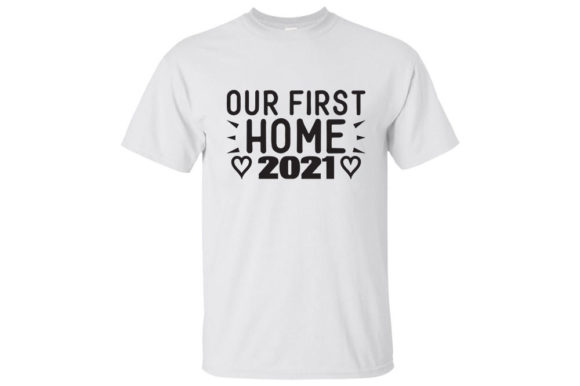
Home School SVG Design: Our First Home 2 Review
As a designer who spends more time behind an embroidery machine than a computer screen, I approach every new digital asset with a healthy dose of skepticism. When evaluating the Home School Svg Design, Our First Home 2, my primary concern isn't just how cute it looks on a monitor, but how it behaves under the needle. This design carries a specific nostalgic weight, targeting the homeschooling community and families celebrating domestic milestones. Before loading this embroidery file into your machine for a client project or Etsy listing, it is vital to understand its practical application beyond the initial download.
First Impressions and Visual Personality
The immediate mood of Home School Svg Design, Our First Home 2 is warm, structured, and intentionally sentimental. Unlike generic house graphics, this design leans heavily into the intersection of education and family life. The layout suggests a balance between architectural elements and soft, personal typography. As a machine embroidery design, this balance is critical. Too much architectural rigidity can make a garment look like a uniform; too much script can become illegible when stitched. This graphic appears to navigate that middle ground well, offering a visual personality that feels handcrafted rather than mass-produced.
For those working in T-Shirt Designs and Graphics, the aesthetic is versatile enough to bridge the gap between modern farmhouse and vintage academic styles. However, as an embroiderer, I am looking at the negative space. Does the design breathe? Is there enough separation between elements to prevent thread buildup? The visual hierarchy seems sound for a center-chest placement or a tote bag focal point, but the true test lies in the translation from vector to stitch.
Real-World Application: The Custom Sweatshirt Test
To truly evaluate this asset, I mentally placed it in a real-life production scenario: creating a custom crewneck sweatshirt for a homeschool co-op leader. This is a common request for small business owners and Etsy sellers. Sweatshirts present unique challenges due to fabric texture and stretch. When applying Home School Svg Design, Our First Home 2 to fleece or French terry, the design’s density becomes the deciding factor for success.
In this scenario, I would treat this as a potential applique design hybrid if the file supports it, or ensure the fill stitches are light enough to prevent a bulletproof patch effect. A heavy satin stitch border on a textured sweatshirt can cause puckering that no amount of steaming will fix. For this specific project, I envision using a cutaway stabilizer to maintain registration. The goal is a finished product that feels soft against the skin, not stiff. If the design relies heavily on dense fill stitch areas, it might be better suited for a canvas tote bag design or a woven pillow cover where stability is inherent. Understanding this distinction prevents wasted materials and unhappy customers.
Navigating Fabric Limitations and Hoop Constraints
Not every embroidery project is created equal, and Home School Svg Design, Our First Home 2 requires careful consideration regarding substrate choice. While it shines on stable cottons and linens, caution is necessary for other applications.
- Stretchy Fabrics: If using this for baby embroidery on onesies or knit tees, verify the stitch direction. Horizontal pulls on vertical knits can distort the house shape or lettering. Always use adequate stabilizer and consider a topping for clarity.
- Small Hoop Sizes: Check your minimum hoop size requirements before purchasing. Intricate details in "Our First Home" text may need to be simplified if resizing down for a 4x4 hoop. Never shrink a design below its intended minimum without testing legibility.
- Dark Fabrics: Contrast is king. If stitching white or cream thread on navy fabric, ensure the thread colors have enough opacity. Sometimes a running stitch underlay is needed to prevent the dark fabric from grinning through lighter threads.
- Curved Surfaces: Caps and curved seams are risky for structured house designs. The geometry may warp. Stick to flat surfaces like aprons, tea towels, or blanket corners for best results.
For commercial embroidery shops, consistency is key. If you plan to offer this across multiple products, create a standard operating procedure for stabilizer and needle selection specific to this file to ensure brand consistency.
Impact on Product Value and Customer Perception
The value of a handmade product is directly tied to execution quality. A poorly stitched version of Home School Svg Design, Our First Home 2 devalues the sentiment it aims to convey. When executed correctly, however, it elevates a basic garment into a cherished personalized gift. Buyers in the homeschool niche are looking for recognition and validation of their lifestyle. A crisp, professional stitch-out signals that you understand their world.
For digital product sellers and creators of printable mockups, presentation matters equally. Ensure your listing photos accurately represent the stitch texture. Do not rely solely on digital renders. Show the design on actual fabric to build buyer trust. When customers see realistic design assets in use, they can better visualize the final outcome, reducing returns and inquiries. This transparency is especially important for holiday embroidery seasons when turnaround times are tight and expectations are high.
Essential Designer Notes Before Stitching
Before you commit this design to a sellable item or a precious family heirloom, adhere to these professional protocols. The ZIP file contains EPS, SVG, PNG, and DXF files, which covers most software needs, but machine compatibility varies.
- Test Stitch Mandatory: Never run this on a final garment first. Stitch Home School Svg Design, Our First Home 2 on scrap fabric identical to your project base. Check for registration issues, thread breaks, or density problems.
- Verify Licensing: Confirm whether your purchase includes commercial rights for selling finished items versus digital files. Terms differ by seller, and protecting your craft business from legal issues is paramount.
- Analyze Stitch Density: Open the file in your embroidery software. Look for excessive jump stitches or overly dense overlap points. Edit if necessary to suit your specific fabric weight.
- Mockup Testing: Create black and white mockups to check contrast independent of color. If the design fails in grayscale, it lacks sufficient definition for embroidery.
- Needle Selection: Match your needle to the fabric and thread type. A sharp needle for woven cottons, a ballpoint for knits. Using the wrong needle can damage both the fabric and the integrity of the embroidered patch or design.
Ultimately, Home School Svg Design, Our First Home 2 is a promising asset for makers who value storytelling in their work. It fits naturally into the repertoire of an Etsy seller specializing in family-centric goods or a hobbyist documenting their own journey. By approaching this digital embroidery file with technical diligence and creative respect, you transform a simple graphic into a meaningful, tangible connection. Whether destined for a small shop product line or a singular custom apparel piece, success lies in the details of your preparation and the honesty of your craftsmanship.