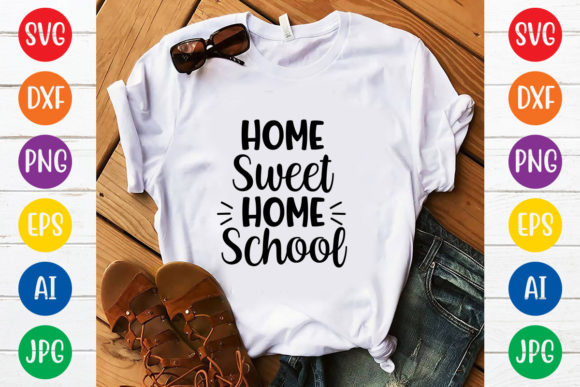
Home Sweet Home School SVG: An Embroidery Review
As a professional designer who spends more time behind an embroidery hoop than a computer screen, I approach every new digital asset with a healthy dose of skepticism. When evaluating the Home Sweet Home School Svg Design, my first thought wasn't about how it looks on a monitor, but how it will behave under the needle. This design carries a distinct nostalgic warmth, blending domestic comfort with academic tradition. For those of us in the craft business or running an Etsy seller account, this specific aesthetic targets a very loyal demographic: homeschooling families, teacher appreciation gifts, and back-to-school boutique shoppers. However, translating a vector graphic into a tactile machine embroidery design requires careful consideration of structure, density, and end-use application.
Translating Vector Graphics to Stitched Reality
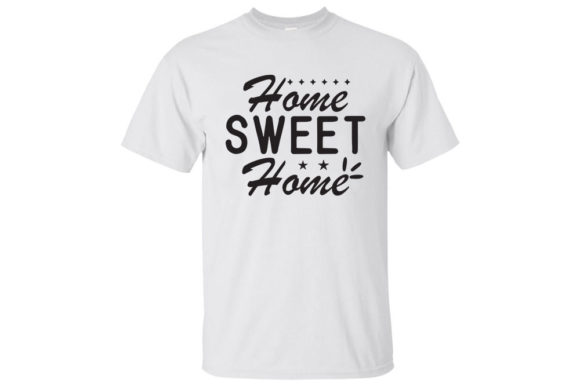
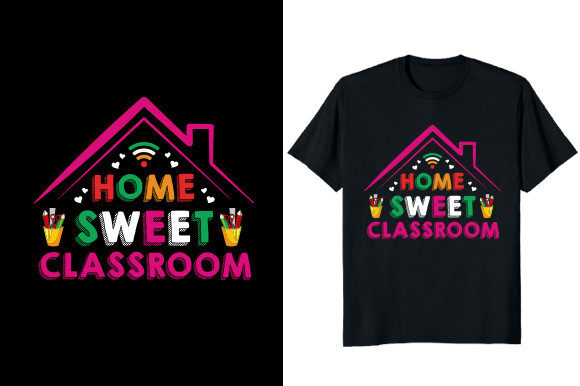
The product description notes that this is a digital download including word-by-layer SVG files and an Adobe Illustrator file. As an experienced apparel decorator, I appreciate the layer separation. It suggests clean lines and distinct color blocks, which is promising for digitizing. However, we must remember that what works as T-Shirt Designs for vinyl or sublimation does not always translate directly to thread. When I look at this embroidery file concept, I am immediately assessing the typography. "Home Sweet Home" typically implies a script or serif font, while "School" often uses a blockier, collegiate style. This contrast is visually appealing but technically demanding.
If you are converting these Graphics into stitches, pay close attention to the connection points in any script lettering. In a real-world scenario, such as creating a sweatshirt embroidery project for a homeschool co-op, fragile jump stitches between letters can become failure points after washing. I recommend verifying if the design has been optimized for embroidery or if it remains a pure vector. If it is purely an SVG/AI file, you will need to digitize it yourself or hire a digitizer to ensure proper stitch density and underlay. Never assume a graphic file is stitch-ready without testing.
Real-World Application: The Custom Tote Bag Test
To truly judge the viability of the Home Sweet Home School Svg Design, let’s imagine a specific client project: a personalized canvas tote bag for a curriculum fair or a teacher gift. Canvas is a textured, unforgiving fabric. A design with too much detail will get lost in the weave, while a design with insufficient underlay will sink and distort.
In this scenario, I envision using the "Home Sweet Home" portion as a smaller, elegant header in a satin stitch, with "School" serving as a bold anchor below in a fill stitch. This combination creates visual hierarchy and texture variation. For a tote bag design, stability is key. You would need a heavy-duty cutaway stabilizer to prevent the canvas from puckering around the dense lettering. If the design includes decorative elements like books, apples, or rooflines, ensure they are simplified. Tiny details that look crisp in Adobe Illustrator can turn into thread nests on a 10oz cotton tote. As a maker, your reputation depends on the durability of the finished product. A bag that looks beautiful in a printable mockup but falls apart after one wash will hurt your brand consistency and customer trust.
Navigating Fabric Limitations and Hoop Constraints
Not every garment is suitable for this specific aesthetic. While the Home Sweet Home School Svg Design shines on stable fabrics like denim, canvas, twill, and medium-weight knits, it requires caution elsewhere. I would hesitate to use this design on lightweight baby onesies or stretchy performance wear unless significantly modified. The phrase "Home Sweet Home School" likely contains enough stitch count to create a stiff, heavy patch on thin fabric, which can be uncomfortable for a child and prone to tearing the garment.
Furthermore, consider your hoop size. This phrase is horizontally oriented by nature. If you are working with a standard 4x4 hoop, you may need to split the design or reduce the scale significantly. Reducing scale brings its own risks; tiny lettering often loses clarity, and satin stitches can become too narrow to hold securely. Always test on scrap fabric that matches your final project's weight and texture. If you are producing custom apparel for a small shop, verify that the design fits comfortably within your machine’s maximum field without requiring excessive re-hooping, which increases production time and alignment errors.
Commercial Viability and Product Value
For the creative entrepreneur, this design holds significant commercial potential, provided it is executed with professionalism. The "homeschool" niche is passionate and willing to pay for high-quality, relevant merchandise. Whether you are selling embroidered patches, holiday embroidery ornaments, or personalized gifts for graduation, the emotional resonance of this design drives sales. However, value is perceived through execution. A clean, well-registered stitch-out communicates quality. Messy trims, poor tension, or distorted letters signal amateur work.
When listing items on Etsy or at craft fairs, use the layered nature of the source files to your advantage. Create variations. Perhaps offer a version with just "Home Sweet Home" for general decor and the full phrase for education-specific items. This maximizes your design assets. Always double-check licensing. The product description mentions a digital download, but it does not explicitly state commercial usage rights for physical products or digital resale. Protect your business by confirming you have the right to sell commercial embroidery items derived from this file before listing anything for sale.
Essential Designer Notes for Success
Before you commit this design to a final handmade product, run through this practical checklist derived from years of production experience:
- Test Stitch First: Never skip this step. Use the exact fabric and stabilizer combination intended for the final project to check for registration issues or density problems.
- Verify File Compatibility: Since the download includes AI and SVG files, confirm whether an embroidery format (like PES, DST, or JEF) is included or if you must digitize from scratch. Do not attempt to stitch an SVG directly.
- Check Thread Contrast: This design relies on legibility. Test thread colors against both light and dark backgrounds. White text on cream fabric may look elegant digitally but disappear physically.
- Assess Washability: If making baby embroidery or kitchen linens, ensure the stitch type can withstand frequent laundering. Avoid long float stitches that can snag.
- Mockup Realistically: When creating digital previews, use realistic textures rather than flat colors to set accurate customer expectations for the embroidery project.
- Stabilizer Selection: Match stabilizer weight to fabric weight. Using tear-away on a stretchy knit sweatshirt is a recipe for disaster; opt for cutaway or fusible poly-mesh instead.
The Home Sweet Home School Svg Design offers a wonderful foundation for meaningful, marketable embroidery projects. Its success, however, lies not in the digital file itself, but in the thoughtful translation of that file into thread. By respecting the technical limitations of machine embroidery and testing rigorously, you can transform these graphics into heirloom-quality goods that resonate deeply with your audience. Approach each stitch with intention, and your work will reflect the care and craftsmanship that defines our community.