Teacher of Tiny Humans T-Shirt Design Review
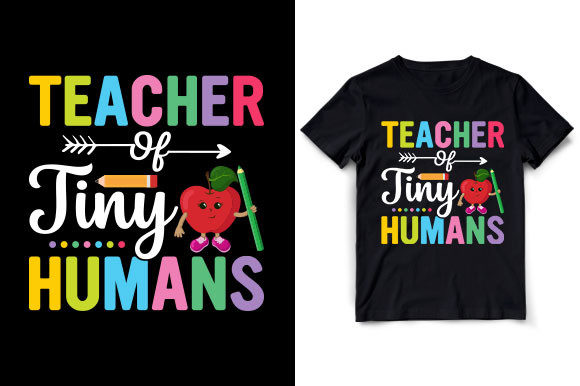
As an embroidery digitizer and product reviewer, I approach every new graphic with a specific question: will this actually stitch out well on fabric? When evaluating the Teacher of Tiny Humans T-Shirt design, my first impression is that it captures a very specific, relatable niche. The typography suggests a playful yet exhausted educator vibe that resonates deeply with preschool teachers, daycare providers, and parents. Visually, the layout feels balanced for center-chest placement, but as someone who runs a commercial embroidery business, I know that visual balance on a screen does not always translate to needle penetration on cotton jersey.
This review breaks down how this specific artwork performs when transitioning from a digital asset to a tangible handmade product. Whether you are an Etsy seller looking for your next bestseller or a hobbyist making gifts for teacher appreciation week, understanding the technical reality of this design is crucial for avoiding production headaches and ensuring customer satisfaction.
First Impressions and Digitizing Potential
The Teacher of Tiny Humans T-Shirt graphic arrives in high-resolution formats, including a 4500×5400 transparent PNG at 300 DPI, SVG, EPS, and JPG files. For print-on-demand sellers, these specs are excellent. However, for machine embroidery, these raster and vector files serve only as a reference template. You cannot simply run a PNG through auto-digitizing software and expect professional results. This design requires manual interpretation.
The mood of the artwork is lighthearted and bold, which is ideal for custom apparel. The lettering appears substantial enough to support satin stitch borders or full column stitches, provided the text isn't too condensed. If the font features distressed or grunge textures common in this style of T-Shirt Designs, you must decide whether to replicate that texture with complex fill stitch patterns or simplify it to clean columns for better durability. In my experience, simplifying distressed edges into solid satin stitches yields a higher-quality finished product that withstands washing better than trying to mimic ink degradation with thread.
Real-World Application: The Teacher Appreciation Tote Bag
To truly test the viability of this design, I mentally applied it to a recent client request: a batch of canvas tote bags for a local preschool's staff appreciation event. While the product title specifies "T-Shirt," versatile Graphics like this often perform better on stable substrates like canvas tote bags or denim aprons before being attempted on stretchy knits.
In this scenario, the Teacher of Tiny Humans T-Shirt design serves as the focal point. Because tote bags have a tighter weave than t-shirts, they allow for higher stitch density without puckering. I would utilize the SVG file to create crisp vector paths for digitizing, ensuring the letters connect smoothly to minimize jump stitches. For a personalized gift set, this design pairs beautifully with individual names added below in a complementary script. The contrast between the bold "Tiny Humans" statement and a delicate name creates a premium look that justifies a higher price point in a craft business.
However, if applying this to actual t-shirts, the strategy changes. Knit fabrics require careful stabilization. I would recommend using a cutaway stabilizer rather than tear-away to prevent the design from distorting after laundering. The design’s visual weight suggests it belongs on adult unisex or women’s fitted tees rather than children’s wear, despite the "tiny humans" theme, as the stitch count required for legible text might be too heavy for lightweight kids' fabric.
Technical Considerations and Fabric Limitations
Not every project is suitable for this specific artwork. As an experienced embroiderer, I advise caution when using the Teacher of Tiny Humans T-Shirt design in the following scenarios:
- Small Hoop Sizes: If the design contains intricate details or small secondary text elements, resizing it down to fit a 4x4 hoop may cause lettering to become illegible. Always check the minimum safe size for your specific font height.
- Textured Fabrics: Avoid stitching this on terry cloth towels or thick fleece unless you use a water-soluble topping. The design’s personality relies on clean lines, which will get lost in high-pile fabrics.
- Stretchy Performance Wear: Unless you are using specialized stretch stabilizers and ballpoint needles, dense text designs can cause tunneling on moisture-wicking gym shirts.
- Curved Surfaces: Placing this centered text design on a structured cap is risky. Caps require arched distortion; a straight horizontal layout will appear crooked once removed from the curved cap frame.
Furthermore, consider the thread colors. High-contrast combinations (like white thread on a navy shirt) make the design pop and increase readability from a distance. Low-contrast choices, while aesthetically subtle, can make the embroidery look muddy in photos, affecting your printable mockup quality and online sales conversion.
Impact on Product Value and Brand Perception
Using the Teacher of Tiny Humans T-Shirt design effectively can significantly elevate your brand's perceived value. Teachers are a discerning demographic; they appreciate humor but also demand quality. A poorly executed embroidery job with loose top stitches or misaligned letters signals "amateur." Conversely, a crisp, well-stabilized execution signals "professional boutique."
For Etsy sellers and small shop product creators, this design offers strong keyword relevance and emotional connection. It fits perfectly into seasonal niches like Back-to-School, Teacher Appreciation Week, and End-of-Year gifts. When listing this item, showcase the texture of the stitches in your photography. Buyers want to see that the embroidery project has dimension and quality. Using the provided high-res PNG for digital previews is fine, but adding a photo of a physical sample builds trust.
Additionally, consider the versatility of this asset. While marketed as a t-shirt design, it translates exceptionally well to embroidered patch creation. Creating iron-on patches allows customers to customize their own existing garments, expanding your market reach beyond just selling blank apparel. This flexibility makes the initial investment in the digital embroidery file (or the cost of digitizing it) more justifiable.
Essential Designer Notes Before Stitching
Before you commit this design to a final product, follow this practical checklist derived from years of commercial production:
- Verify Licensing: Confirm whether your purchase includes commercial rights for finished embroidered goods versus digital resale. Never assume; always read the license terms associated with the design assets.
- Test on Scrap Fabric: Never run a new design directly on a customer’s garment. Test the machine embroidery design on a scrap of the exact same fabric and stabilizer combination you plan to use.
- Check Stitch Density: If you are digitizing this yourself from the provided vectors, ensure your fill stitches have appropriate underlay. Without proper underlay, the design will sink into the fabric grain.
- Evaluate Text Legibility: If any part of the text is smaller than 6mm in height, consider enlarging it or switching to a simpler running stitch font. Satin stitches below this threshold often fail.
- Mockup Testing: Use the transparent PNG to create black and white mockups. If the design loses its impact without color, rely on texture and contrast in your thread selection rather than hue alone.
- Wash Test: For items like baby clothes or kitchen towels that face frequent laundering, wash your test sample three times before selling. This reveals potential shrinkage issues between the thread and fabric.
The Teacher of Tiny Humans T-Shirt design holds immense potential for makers and decorators. Its humor is timeless within the education niche, and its layout lends itself to various applications beyond simple t-shirts. By approaching this graphic with technical discipline—respecting fabric limitations, prioritizing stabilization, and validating stitch quality—you transform a digital download into a profitable, professional-grade inventory staple. Remember, in the world of commercial embroidery, the file is just the starting point; your craftsmanship determines the final value.