Back to School SVG: An Embroidery Review
As a professional embroidery designer and product reviewer, I approach every new graphic with a specific question: will this actually stitch out cleanly on fabric? When evaluating the Back Tp School Svg T-shirt Design, my first impression is one of nostalgic versatility. The layout suggests a classic scholastic aesthetic that feels immediately appropriate for autumn collections, teacher appreciation gifts, and personalized student gear. However, as any experienced maker knows, a clean vector graphic does not always translate to a flawless machine embroidery design. This review breaks down how this specific artwork performs when moved from screen to hoop, focusing on real-world application for Etsy sellers, boutique owners, and hobbyists.
First Impressions and Visual Hierarchy
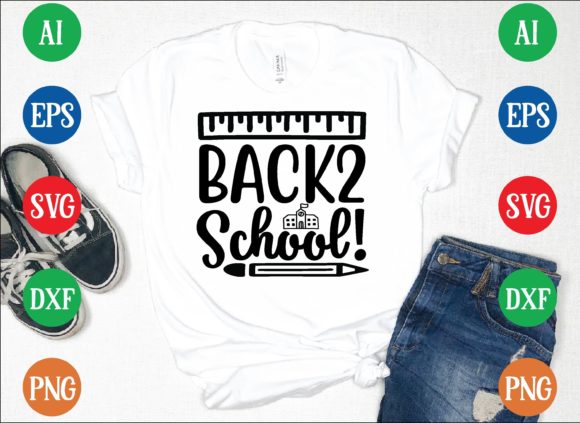
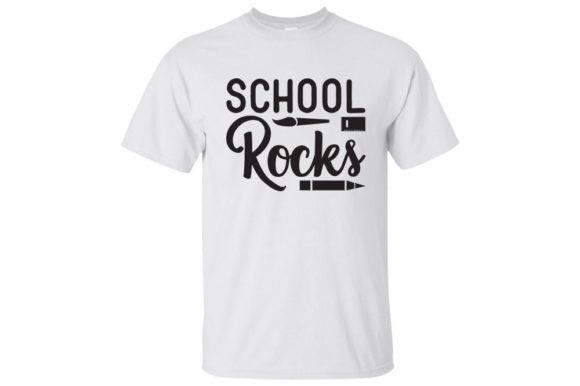
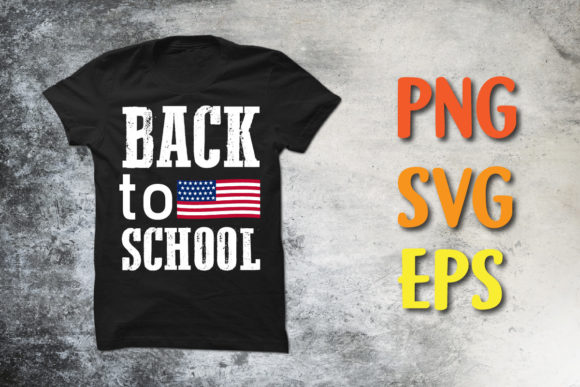
The visual personality of this design leans heavily into traditional school motifs. Whether it features pencils, books, or playful typography, the composition appears balanced for center-chest placement on custom apparel. For an embroidery project, balance is critical. A design that looks perfect digitally can become top-heavy or distorted once thread tension is applied. In reviewing the Back Tp School Svg T-shirt Design, I look for clear separation between elements. If the graphic relies on intricate line work or tiny text, it may require significant digitizing adjustments before it is suitable for needle and thread. As a tote bag design or sweatshirt graphic, the bold shapes likely offer excellent coverage, but the finer details demand scrutiny to ensure they do not get lost in the fabric texture.
Real-World Application: The Custom Sweatshirt Test
To truly judge the viability of this asset, I mentally place it in a current production scenario. Imagine preparing a batch of personalized crewneck sweatshirts for a local PTA fundraiser or an online shop launch. This is where the Back Tp School Svg T-shirt Design must prove its worth. Sweatshirt fleece is textured and stretchy, making it a challenging canvas for detailed graphics. If I were using this file for sweatshirt embroidery, I would prioritize converting thin lines into satin stitch columns rather than relying on running stitch, which tends to sink into plush fabrics.
For this specific use case, the design serves as a strong anchor for a handmade product. Customers buying back-to-school merchandise are looking for durability and clarity. If the design includes small lettering, such as a grade level or name, I would verify that the font size remains legible after stitching. A common pitfall with digital graphics intended for print is that the text is often too small for embroidery. Before listing this as a small shop product, you must confirm that all textual elements meet the minimum height requirements for your machine and thread weight. Successfully adapting this design for apparel builds customer trust and reduces returns due to poor stitch quality.
Navigating Fabric Limitations and Hoop Constraints
Versatility is a key selling point for this file, but physical limitations dictate success. While the description suggests uses ranging from mugs to phone cases, embroidery requires different considerations than vinyl decals or sublimation. When applying the Back Tp School Svg T-shirt Design to lightweight items like baby onesies or tea towels, stitch density becomes the primary concern. High-density fills on thin cotton can cause puckering or even tear the fabric. For baby embroidery or delicate linens, you may need to reduce the density or switch to a lighter fill stitch pattern to maintain the garment's drape.
Conversely, structured items like caps or denim jackets present their own challenges. Curved surfaces distort flat designs. If you plan to use this for hat embroidery, check if the aspect ratio fits within your cap frame without touching the seams. Dark fabrics also require careful planning; if the design lacks a solid underlay or background element, the fabric color might show through the stitches, diminishing the visual impact. Always pair this design with the correct stabilizer. A cutaway stabilizer is generally safer for stretchy knits used in T-Shirt Designs, while tear-away might suffice for stable woven tote bags. Testing on scrap fabric that matches your final finished product is non-negotiable.
Commercial Viability and Brand Consistency
For creative entrepreneurs and commercial embroidery businesses, time is money. A well-structured design file streamlines production. The Back Tp School Svg T-shirt Design offers potential for high-margin seasonal sales, but only if the output looks professional. Buyers can distinguish between a crisp, expertly digitized motif and a messy, automated conversion. Using this design for holiday embroidery or back-to-season collections requires consistency across different products. Does the design look cohesive on both a mug wrap and an embroidered patch? Maintaining brand consistency helps establish recognition in a crowded marketplace.
Furthermore, consider the licensing and commercial rights associated with this digital embroidery file. Before selling finished goods or offering the design itself as a digital download, verify the terms. Some files allow for unlimited physical sales but prohibit sharing the source file. Respecting these boundaries protects your business reputation. When creating printable mockups for your listings, ensure the digital preview accurately represents what the embroidery will look like. Misleading customers with a flat vector image when the actual stitch-out has texture and dimension can lead to dissatisfaction. Honest presentation of the Back Tp School Svg T-shirt Design enhances buyer engagement and sets realistic expectations.
Essential Designer Notes for Success
Before loading this design into your machine, run through this practical checklist to ensure optimal results:
- Verify File Compatibility: Confirm the provided formats match your machine’s requirements. Never assume an SVG converts perfectly to PES, DST, or JEF without manual review.
- Check Stitch Count and Density: Use embroidery software to analyze the design. If the count seems excessively high for the size, edit the density to prevent stiff, bulletproof patches on soft garments.
- Test Thread Contrast: Run a simulation or test stitch in black and white. This reveals whether the design relies too heavily on color changes to define shapes, which can be problematic for monochrome projects.
- Inspect Small Details: Zoom in to 400%. Are there single-pixel lines or gaps? These will not stitch. Manually add width to outlines or merge adjacent areas to create valid stitch paths.
- Validate Hoop Size: Measure the actual dimensions. Ensure the design fits comfortably within your hoop with adequate margin for stabilization and hooping mechanics.
- Assess Washability: If intended for kids' clothing or kitchen textiles, ensure the stitch type can withstand frequent laundering. Satin stitches should be secured properly to prevent unraveling.
- Review Licensing Terms: Double-check permissions for both physical product sales and digital asset redistribution to avoid legal issues.
Final Thoughts on Production Value
The Back Tp School Svg T-shirt Design holds significant promise for makers targeting the education and seasonal market. Its strength lies in its thematic relevance and adaptability across various mediums. However, successful execution depends entirely on the user's willingness to treat it as a starting point rather than a finished solution. By respecting fabric properties, adjusting technical parameters, and validating the design through testing, you can transform this graphic into a premium personalized gift or best-selling inventory item. Remember that in embroidery, the value is created in the translation from digital art to tactile reality. Approach this design with a critical eye and a steady hand, and it will serve as a reliable asset in your creative toolkit.